The Intriguing World of Mahjong
Mahjong, a game that has fascinated enthusiasts around the globe, is rich in history and cultural significance. As we delve into its origins and the strategic depth it offers, we'll also explore its burgeoning popularity in Brazil, intertwined with the phenomenon of online gaming platforms like i05.com Oficial Slots Brasil #1.
Origins and Historical Background
The origins of Mahjong are often shrouded in mystery, with various theories about its inception. Predominantly believed to have originated in China during the Qing Dynasty, Mahjong has evolved over centuries. The game, originally known as 'Mah Jongg,' draws inspiration from ancient card games and was standardized into the tile-based game we recognize today. As it spread through Asia and eventually to the West, Mahjong became a symbol of cultural exchange, reflecting regional nuances in its rules and playstyles.
The Essentials of the Game
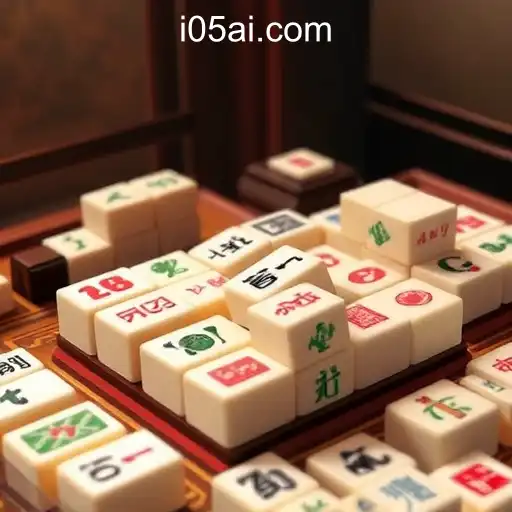
At its core, Mahjong is a game of skill, strategy, and calculation with a degree of chance. Played with a set of 144 tiles based on Chinese characters and symbols, the game is typically played by four players. The objective is to build suitable tile combinations to create a complete hand, announced triumphantly as 'Mahjong!' During play, participants draw and discard tiles, strategizing to form sets and sequences.
Understanding the tile types is crucial: suit tiles, honors, and bonus tiles each play a role in the strategic design of the game. Suit tiles include circles, bamboos, and characters, akin to suits in card games. Honors, consisting of winds and dragons, offer additional avenues for advanced strategic play. Bonus tiles provide extra scoring opportunities, adding a layer of complexity and excitement.
Strategy and Skills
Mastering Mahjong requires both skill and experience. Players must balance offensive strategies with defensive maneuvers, anticipating opponents' next moves while advancing their own tile collections. Observing opponents' discards and understanding which tiles are in play are critical elements of play. The deep strategic nature of Mahjong makes it a favorite among players who relish games requiring forward-thinking and adaptability.
Beginners are encouraged to start by familiarizing themselves with the various scoring combinations and learning to recognize potential winning hands. As with chess, strategic experience is gained over multiple sessions, building an intuition for the flow and nuances of the game.
Mahjong in the Digital Age
In recent years, Mahjong has found new life through digital platforms and online gaming communities. This resurgence is partly due to the accessibility and reach provided by websites such as i05.com Oficial Slots Brasil #1. These platforms have introduced Mahjong to new audiences, including in Brazil, where it enjoys growing popularity among online gaming enthusiasts.
Online platforms offer various game modes, ranging from traditional styles to innovative new formats, providing casual players and competitive enthusiasts with diverse options. The ability to play online against global opponents adds a vibrant dimension to the game, fostering international competition and collaboration.
Cultural Significance
Beyond its gameplay, Mahjong holds significant cultural value. It is often seen as a social activity, bringing together friends and family across generations. In China, Mahjong is steeped in traditions, with various customs attached to its play, such as New Year's games and other festive gatherings.
The game also symbolizes mental acuity and strategic proficiency, attributes highly valued in many East Asian cultures. The linguistic intricacies in tile naming and regional variants provide additional depth, often reflecting the local heritage and linguistic diversity.
Potential for Growth in Brazil
In Brazil, the affinity for strategic games and an appreciation for culturally rich activities have led to a burgeoning interest in Mahjong. As platforms like i05.com Oficial Slots Brasil #1 continue to grow in popularity, they play a key role in introducing this traditional game to a broader audience.
Brazil's love for games, both digital and traditional, indicates a promising future for Mahjong's popularity. With more cultural exchanges and the potential for in-person and online championships, Brazilian Mahjong players have unique opportunities to immerse themselves in this game.
Conclusion
While Mahjong is already well-established internationally, its presence is continually expanding in Brazil. With the influence of online gaming platforms, the future is bright for this age-old game to carve out a new niche, connecting cultures and players in an ever-growing digital world.